Environmental Justice and Its Limitations for Indigenous Peoples
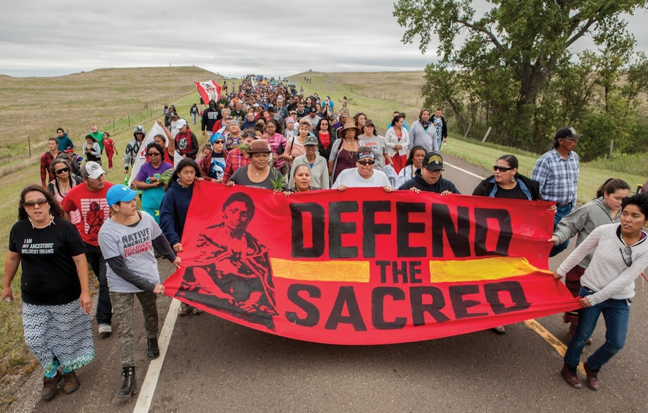
For many years indigenous communities have been disrespected and exploited. Oftentimes, we forget about the cultures that are different from our own, which is a major problem. In "Environmental Justice and Its Limitations for Indigenous Peoples" by Dina Gilio-Whitaker, she discusses the hardships of those who have faced environmental injustices, but specifically highlights on the fact that indigenous communities are always the ones who receive the short end of the stick when it comes to the environmental justice efforts. Gilio-Whitaker states, "Although the Environmental Protection Agency was formed in 1970, American Indians were not substantively included in the EPA policy schema until 1984"(28). After a long 14 years, the government's efforts still fell short afterwards. Before we directly jump into solutions, it is important that we recognize, appreciate, and understand these cultures. We must consider all viewpoints and beliefs that some may have about the environment. One of the principles from the "Principles of Environmental Justice" claims, "environmental justice must recognize a special legal and natural relationship of Native Peoples to the U.S government through treaties, agreements, compacts, and covenants affirming sovereignty and self-determination"(19). We have to include all people in political or economics decisions. I know that there are several campaigns out there that propose the idea of returning lands back to the Native tribes, but I think it is crucial that we grow some type of connection with the indigenous communities first.
It is obvious that not everyone believes in or admires the same things, however, we have to be able to come to a mutual understanding of one another. Possibly, a new meeting board could be born that deeply focuses on the principles that have been written out and includes a large amount of the indigenous communities? The main focus should be on those who are dealing with the environmental problems on a daily basis, and not on those who have never experienced these issues. In addition to this, there needs to be a boost in media coverage. Like I stated in the beginning, most of us are aware of the environmental injustices within the low-income areas, but forget about those who have been stripped of their own lands. It may be simple pieces of property to some, but for indigenous members it is a sacred piece of land on earth. These all could be ways that the EPA adopts Indigenized Environmental Justice. I support any type of action that helps restore and protect these communities. After all, we can not live peacefully and freely until all people within our country have been given the same equal chance to.
Comments
Post a Comment